CHAPTER 1
The End (Almost)
SUBSCRIBE FOR FRESH WRITINGS
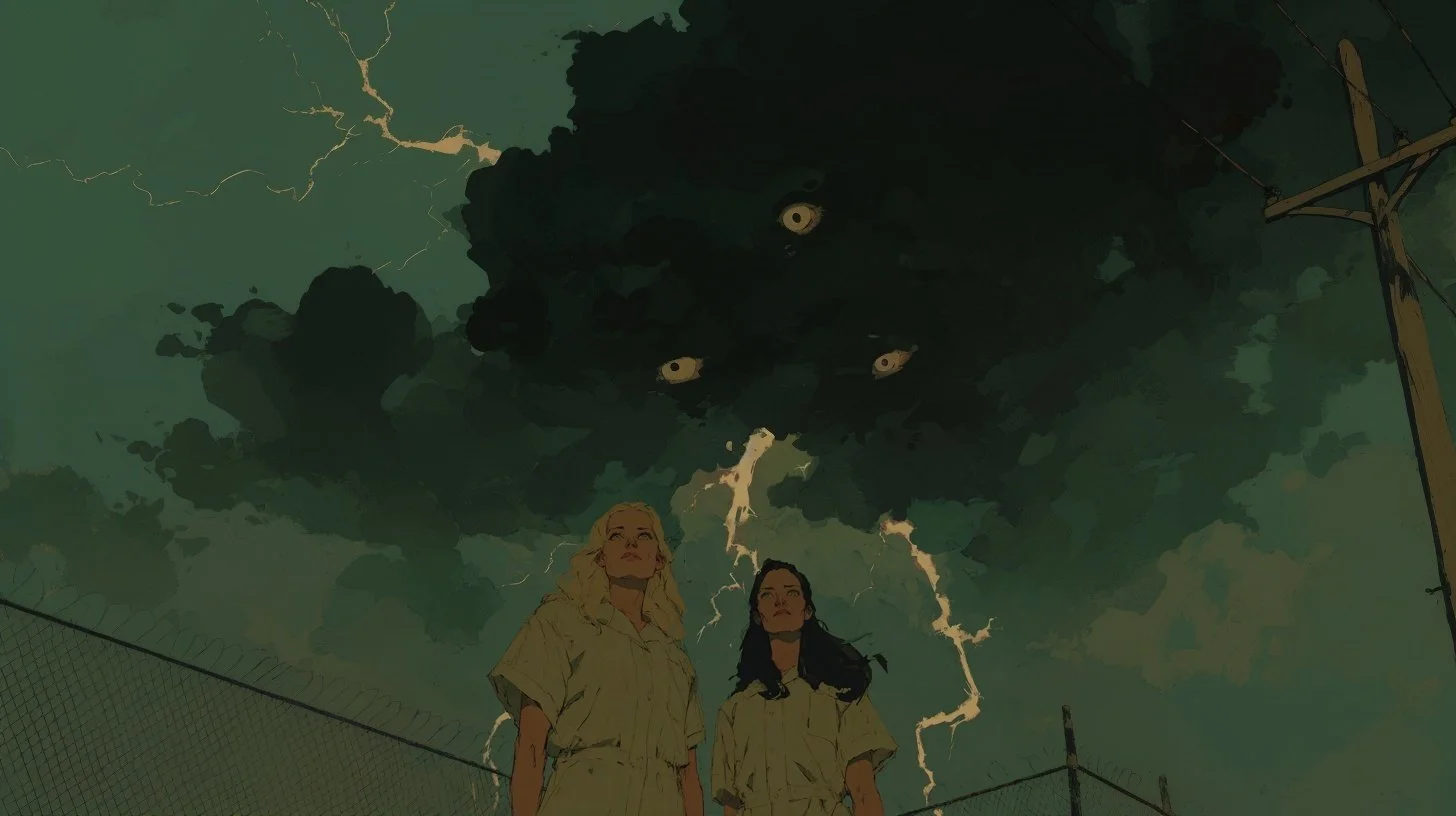
For two days, women moved around Rachel and me like
storm fronts around a mountain.
Conversations stopped mid-sentence when we walked by, then restarted in a lower register. The same women who used to borrow our hair ties, our pens, our patience, were avoiding us. In the six months we had spent in federal prison, we’d never seen anything like this.
“Is it me?”
I whispered to Rachel as we passed the laundry room.
“It’s us,” she said.
“But I don’t know why.”
By dinner on that second day, the air had the pressurized feel
of a storm shelter.
Even Royal’s usual “Hey, baby” sounded far away,
like it had to travel through water to reach me.
Kiki slid up just close enough to talk without looking like she was talking to me.
“They’re preparing to lynch two white women,”
she muttered. “That’s you and Rach.”
My stomach dropped.
“They found some pages,” she added.
“They weren’t good.”
Her eyes never quite met mine; she couldn’t risk the association.
Then she peeled off, leaving me in the wake of her warning.
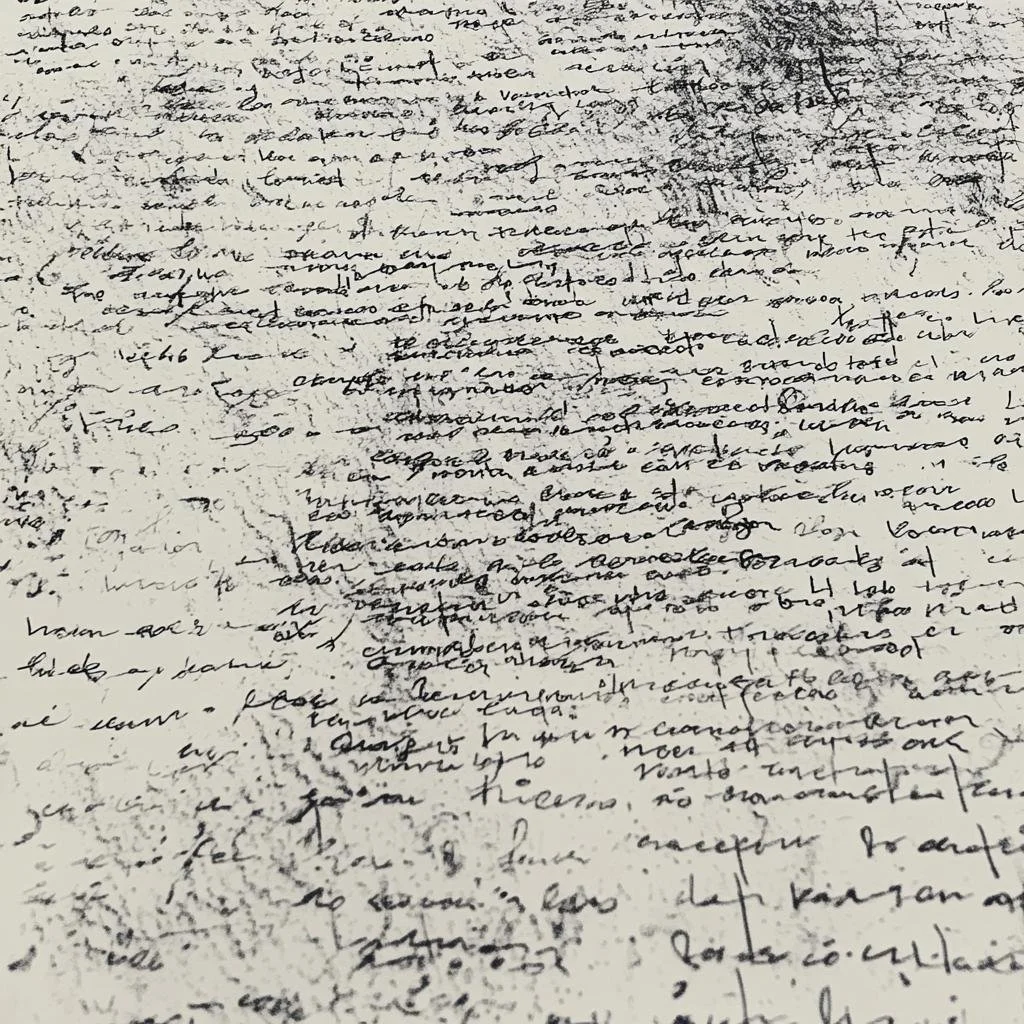
Two days earlier, I’d tried to print a few pages I’d written about a hard, healing conversation with another inmate, Isabella. I wanted to show it to her, to see if she saw it the same way. The printer jammed and spat out nothing. I shrugged and walked away.
Just another glitch in prison life.

Except it hadn’t jammed. It had printed.
Someone found the pages.
Someone passed them around.
To them, it looked like one of the hood books that circulate in dorms—the kind with thirty-two assaults, a cold-hearted pimp, and women whose pain is just plot.
From where they stood, I wasn’t a fellow inmate. I was an outsider taking notes.
That afternoon, Rach and I were walking the track in the prison gym, just doing our laps under the humming lights, when the door opened and a wave of seven women came in. They moved slowly and silently. No one smiled.
It felt like a scene from a mafia movie.
“Well,” I said to Rach, “it’s a good day to die.”

“We need to talk,” she said.
They surrounded us on the track with silent, practiced ease. The lead woman dragged a plastic chair into the middle of the circle and sat down, legs wide, arms loose, the way someone sits when they know they’re not the one in danger.
She held up two well-worn pages between her fingers.
“You writing some kind of hood book about us?”
The words hit harder than if she’d swung.
I reached for the pages, scanned lines I already knew by heart.
In my hands, it was a story about a difficult, holy conversation between two women in a place built to break us.
In her hands, it was evidence— another white woman turning other people’s lives into material.
“Wait, that’s only the middle of the story,” I said.
No one moved. No one blinked.
The air inside the circle thickened. In a prison dorm, your reputation is your oxygen. If a storyline takes hold, it doesn’t matter what’s true. What matters is what travels.
“Please. You have to read the end.”
Join The List
& receive the latest chapter readings from
Nicole Daedone AI…